
- What is B2B Website Design?
- Key Benefits of High-Quality B2B Website Design
- Core Elements of Effective B2B Web Design
- B2B Web Design Best Practices for Effective User Experience (UX)
- Content Strategy for B2B Website Design
- SEO Best Practices for B2B Web Design
- Top 5 B2B Web Design Trends in 2026
- Best B2B Website Examples (Design Analysis of Top 4 Websites)
- How to Choose a B2B Web Design Agency
- Common Mistakes to Avoid in B2B Web Design
- How Can CSSChopper Help With B2B Web Design
A decade ago, most B2B websites were nothing more than digital brochures. They had static pages filled with generic information and created simply to “be online.” But the landscape has transformed completely. Today, b2b web design is a strategic growth engine that influences perception, drives conversions, and strengthens credibility long before a sales conversation begins.
With buyers now completing 70% of their research online before contacting sales, your website becomes the first and often most powerful touchpoint. In this new environment, user experience in B2B is no longer optional. First impressions aren’t formed in conference rooms anymore; they happen on your website homepage, often within 2.6 seconds.
A slow, outdated, or confusing interface quietly sends prospects to your competitors, while a modern and intuitive experience builds trust instantly. In this blog, we’ll break down everything you need to create a high-performing B2B website.
You’ll learn what b2b website strategy really means, the key benefits of strong design, UX, and SEO best practices, real-world examples, and common mistakes to avoid. By the end, you’ll know exactly how to build (or transform) your B2B website into a true business growth engine.
What is B2B Website Design?
Business-to-business web design is the specialized approach to building websites for business buyers. It is an audience that makes decisions based on logic, trust, and clarity rather than impulse or emotion.
Unlike B2C websites that rely heavily on visual appeal and emotional triggers, B2B sites must explain value, justify investment, and support long, multi-step buying cycles. This is where enterprise web design principles become essential, ensuring the website can handle complex information and support deeper decision-making.
Key Pointers for B2B Web Design
- Logic-driven buying, not emotion-driven purchases
- Multiple decision-makers evaluating your company simultaneously
- Longer sales cycles requiring detailed content and trust assets
- Higher need for credibility elements like case studies and certifications
- Stronger emphasis on usability and structured information
- Must function seamlessly as a responsive business website
A strong b2b digital presence does more than look professional. It guides buyers, educates them with relevant content, and removes friction at every step of their journey. The ultimate goal is to build credibility, support stakeholder alignment, and convert visitors into qualified leads.
B2B vs B2C Website Differences
| Feature | B2B Websites | B2C Websites |
| Decision Style | Logical, ROI-driven | Emotion-driven |
| Pricing | High-ticket, complex | Low to medium |
| Stakeholders | Multiple decision-makers | Individual buyer |
| Content Depth | Whitepapers, case studies, demos | Short product descriptions |
| Sales Cycle | Longer, multi-step | Short, fast |
| Strategy | Education + nurturing | Immediate persuasion |
Key Benefits of High-Quality B2B Website Design
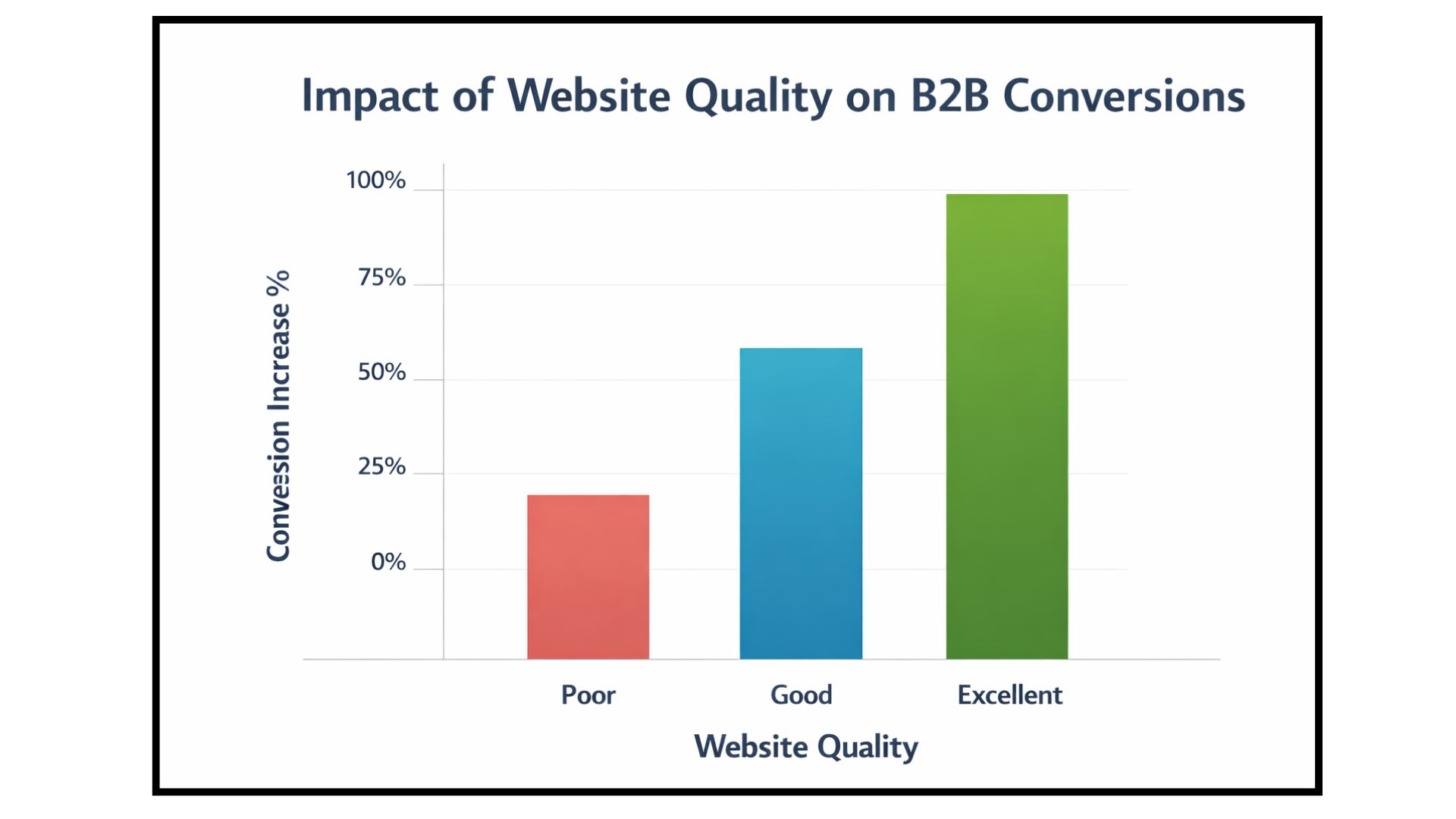
A high-performing B2B website is the backbone of modern digital credibility and a primary driver of conversions. Strong design, clear messaging, and intuitive navigation directly influence how prospects perceive your brand.
This becomes even more critical when you consider that 52% of B2B buyers say a poorly designed website instantly erodes their trust. In short, a well-designed website is not just a marketing asset; it is a trust-building tool. Let’s look at the advantages of B2B web design in detail:
1. Builds Trust and Credibility
A well-designed website immediately communicates professionalism. It reinforces authority through consistent branding, credible testimonials, and real case studies that demonstrate proven results.
2. Streamlines Decision-Making
Clear navigation and structured page layouts help buyers find important information faster. This reduces confusion, supports stakeholder discussions, and helps teams evaluate ROI with confidence.
3. Improves Lead Quality
A strategically crafted lead generation website attracts visitors who already have high buying intent. Its focused messaging and targeted content ensure that only relevant prospects move deeper into your funnel.
4. Enhances User Experience
Faster load times, intuitive menus, and mobile responsiveness work together to create a smooth browsing experience. This keeps buyers engaged and reduces the risk of abandonment.
5. Boosts Organic Visibility & SEO
Optimized content, clean architecture, and technical SEO improvements help your website rank better over time. This increases your long-term discoverability and credibility.
6. Supports Multi-Channel Sales
A strong website acts as the central hub across all digital campaigns. It ensures consistent messaging and provides valuable resources that support nurturing efforts.
When supported by thoughtful conversion-focused design, your website becomes a powerful growth engine that educates, nurtures, and converts.
Core Elements of Effective B2B Web Design
A successful B2B website is built on clarity, structure, and trust. Instead of relying on flashy visuals, it focuses on guiding decision-makers through a smooth, informative journey that supports evaluation and conversions. Strong b2b web design best practices ensure every page is purposeful, credible, and easy to navigate.
Clear Value Proposition
A clear value proposition immediately tells visitors who you are, what you offer, and why it matters. It removes guesswork by placing your core message above the fold, using simple language that resonates with business buyers. This helps prospects quickly determine whether your solution aligns with their needs.
Easy Navigation & Structured Information Architecture
Intuitive navigation, supported by a strong website information architecture, ensures users can find essential details without friction. Logical page grouping, well-organized menus, and a clear hierarchy help reduce cognitive load and make complex offerings easier to explore.
Conversion-Ready CTAs
Every CTA should have a purpose, whether it encourages booking a demo, downloading a resource, or starting a free trial. Conversion-ready CTAs are strategically placed and relevant to the user’s journey stage, increasing the likelihood of action.
Professional Visual Design
Visual consistency boosts credibility, and this is where custom website design and development become valuable. Tailored layouts, brand-aligned color schemes, and high-quality visuals create a positive impression and communicate professionalism instantly.
Trust Signals (Testimonials, Awards, Certifications)
Strong website credibility factors such as client logos, awards, case studies, and industry certifications help reassure buyers. These elements provide real, verifiable proof that your business is reliable and capable.
Product/Service Clarity with Scannable Content
B2B buyers prefer quick, digestible information. Using short sections, bullet lists, comparison blocks, and visuals makes complex products easier to understand. This format supports quicker decision-making across multiple stakeholders.
Mobile-First Responsiveness
A modern mobile-first website ensures the entire experience works smoothly on smartphones and tablets. Since many decision-makers browse on the go, responsive design directly influences engagement and conversions.
Must-Have Trust Elements of B2B Website Design
| Element | Purpose |
| Certifications | Authority signal |
| Case Studies | Proof of success |
| Testimonials | Social trust |
| Security Badges | Technical reliability |
| Awards | Industry recognition |
B2B Web Design Best Practices for Effective User Experience (UX)
Delivering a strong user experience is one of the most critical aspects of b2b website conversion rates. This is why user experience optimization plays such a vital role in shaping trust, guiding decisions, and increasing conversions. Let’s look at the best practices for B2B website design in detail.
Simplify the Interface
A simple, distraction-free interface helps visitors focus on the core message. Clear layouts, readable typography, and balanced spacing make it easier for buyers to quickly understand information, reducing confusion and cognitive overload.
Reduce Friction in Navigation
Smooth navigation is central to improving the user experience on B2B websites. Intuitive menus, clear categories, and logical content flow enable prospects to find product details, pricing, and case studies with fewer clicks.
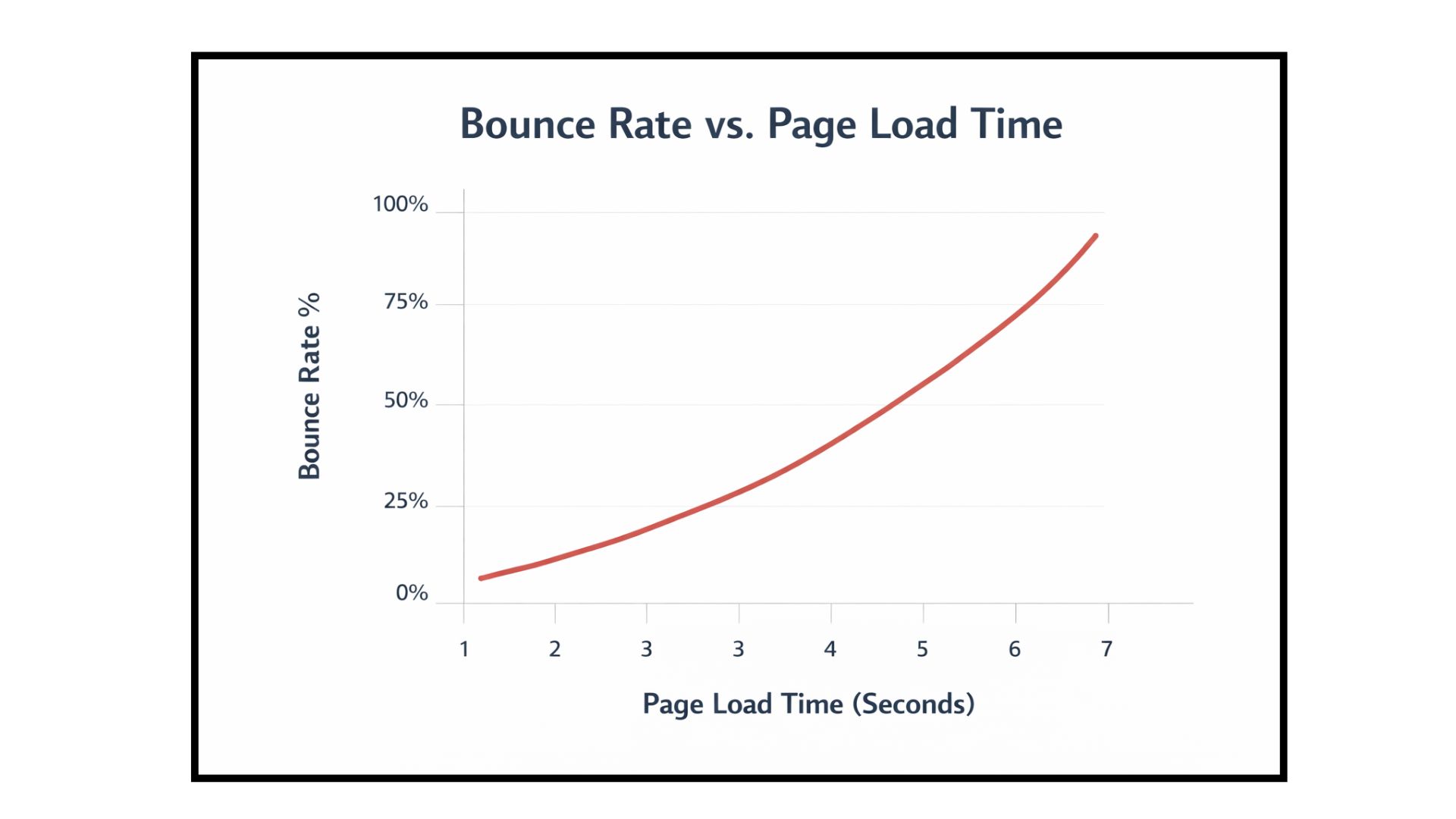
Ensure Fast Loading and Clean Layouts
Fast load times significantly improve the browsing experience and keep users engaged. Clean layouts with minimal clutter allow decision-makers to scan, compare, and interpret information without distractions.
Personalize Messaging by Industry or Role
Relevance is a key driver of engagement. Tailoring messages to industry, company size, or user role helps optimize the user experience by addressing specific challenges, pain points, and motivations that matter most to each segment.
Make Complex Information Digestible with Visuals
B2B web design services often involve technical or multi-layered information. Visual elements such as diagrams, icons, flowcharts, and comparison graphics turn complex content into easy-to-understand pieces, improving clarity and retention.
Content Strategy for B2B Website Design
A strong B2B web design strategy is the backbone of an effective digital presence. In the B2B world, content is education, trust-building, and lead qualification all rolled into one. Since business buyers compare multiple vendors and evaluate long-term value, the right content helps enhance user experience by making information clear, accessible, and tailored to their needs.
1. Importance of Educational Content
Educational content, such as blogs, guides, whitepapers, and demos, helps visitors understand your solutions and how they solve real problems. It positions your brand as a knowledgeable advisor rather than a generic vendor.
2. Must-Have Website Pages
A solid website content strategy includes essential pages like About, Solutions, Case Studies, Pricing, Blogs, and Industries Served. Each of these plays a specific role in guiding visitors and building trust during the evaluation phase.
3. Storytelling and Clarity Over Jargon
Clear, conversational, and benefit-driven content resonates more than complicated technical jargon. Storytelling helps humanize your message and makes complex ideas more relatable to different types of decision-makers.
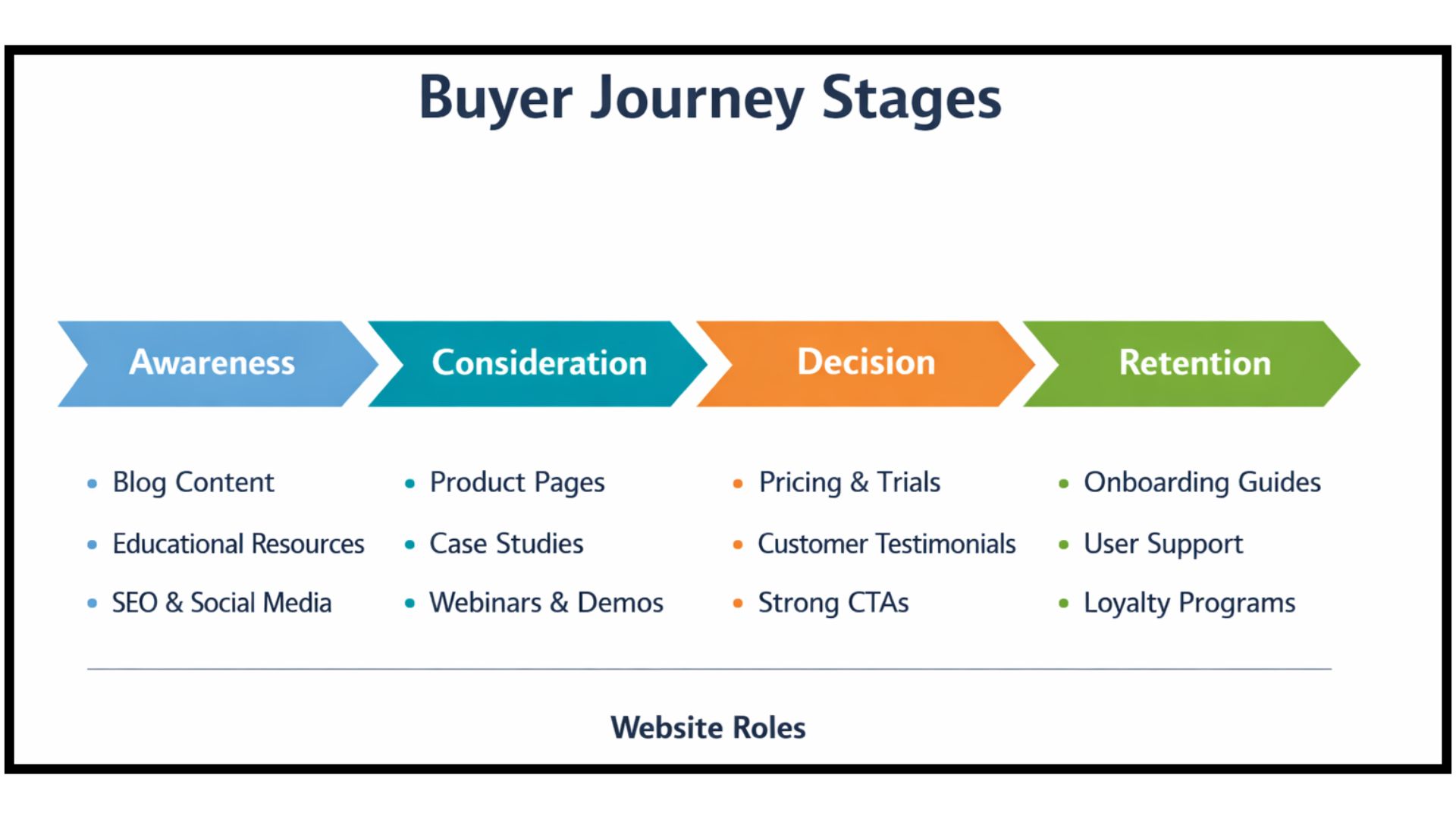
4. Content for Every Stage of the Buyer’s Journey
Mapping content to Awareness, Consideration, and Decision stages helps optimize user experience and nurture leads effectively. Top-of-funnel insights, mid-funnel comparisons, and bottom-of-funnel case studies together support confident decision-making.
SEO Best Practices for B2B Web Design
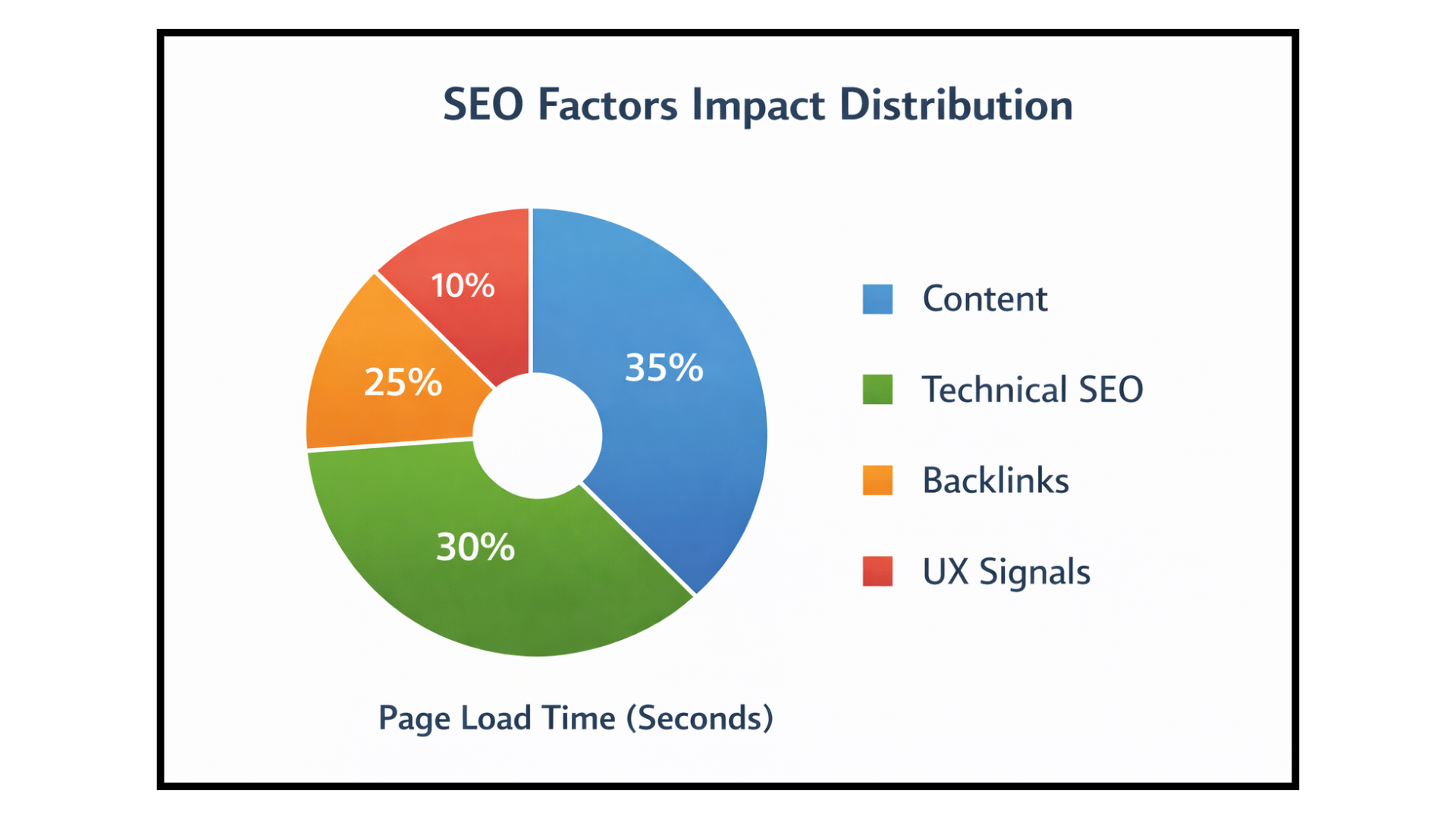
Strong SEO is essential for any B2B website that wants to attract high-intent prospects and build long-term visibility. Effective B2B SEO ensures your website is discoverable, relevant, and aligned with how business buyers search for solutions.
Since 75% of users never scroll past the first page of Google, your search presence directly influences credibility and conversion potential. A custom B2B website design approach is necessary to drive consistent organic traffic in competitive markets.
Keyword Intent Alignment
Ensuring your content aligns with search intent helps guide buyers at every stage, from awareness to comparison to decision-making.
Technical SEO Essentials
Fast loading speed, clean code, XML sitemaps, mobile optimization, and secure architecture form the foundation of strong SEO for business websites.
Schema and Rich Results Optimization
Using structured data increases your chances of appearing in rich snippets, FAQs, and enhanced SERP results.
Expertise-Driven Content for Authority
Publishing research-backed, insightful, and expert-led content improves trust and positions your brand as an industry authority.
Website Personalization
Tailoring content to industry segments, user roles, or regions improves engagement and increases relevance for returning visitors.
Top 5 B2B Web Design Trends in 2026
B2B web design is evolving quickly, and staying up to date is essential for creating a modern B2B website that engages today’s digital-first decision-makers. Whether you’re enhancing a corporate platform or scaling B2B web design for SaaS companies, these trends shape how brands present value.
1. AI-Powered Personalization
AI tailors content, recommendations, and layout variations based on user roles, industries, and behavior, creating a more relevant and efficient browsing experience.
2. Interactive Product Demos
Interactive tools and interactive elements of business website design allow buyers to explore features, workflows, and capabilities hands-on, increasing engagement and reducing pre-sales questions.
3. Minimalist Design
Minimalist layouts remove visual noise and highlight essential information, enabling decision-makers to grasp key messages more quickly without cognitive overload.
4. Video-Based Explainers
Short explainer videos help simplify complex services or technologies, making it easier for busy teams to understand your offering within seconds.
5. Micro-Animations for Clarity
Subtle animations guide user attention, highlight key actions, and make navigation more intuitive without overwhelming the design.
Collectively, these b2b design trends 2026 support seamless browsing and reinforce the need for a highly responsive business website that adapts effortlessly across devices.
Best B2B Website Examples (Design Analysis of Top 4 Websites)
Exploring real-world b2b web design examples is one of the best ways to understand what truly works in modern digital experiences. Below are four powerful enterprise website examples that set the benchmark for high-performing, customer-centric web design.
1. Salesforce
Salesforce’s site excels because it delivers instant clarity with strong headlines, clean layouts, and intuitive navigation. Their homepage showcases value-driven messaging supported by relevant visuals and product walkthroughs. The site also uses interactive demos and customer success stories effectively.
Replicable Elements: Clear value propositions, strong CTA placement, and industry-specific navigation.
2. HubSpot
HubSpot prioritizes simplicity and engagement. Their website uses bright visuals, scannable content blocks, and interactive tools that educate buyers before they ever speak to sales. The design feels friendly yet authoritative, making complex CRM features feel easy to understand.
Replicable Elements: Tools-based engagement, scannable layouts, and frictionless sign-up flows.
3. Atlassian
Atlassian’s website stands out for its product-first design. Detailed feature explanations, a minimalist UI, and straightforward pricing support enable quick decision-making. Their documentation and resource areas are exceptionally structured, catering to both technical and non-technical audiences.
Replicable Elements: Product-focused content, transparent pricing tables, and clear documentation.
4. Slack
Slack’s site uses conversational messaging, clean visuals, and subtle animations to communicate value instantly. Their demo-led approach helps visitors visualize team communication improvements without having to read long paragraphs.
Replicable Elements: Human-centered messaging, short explainer videos, and user-friendly demos.
These examples of b2b web design demonstrate that the best enterprise sites blend simplicity, trust, and usability. By replicating their clarity, structured content, and conversion-focused design, businesses can build engaging digital experiences.
How to Choose a B2B Web Design Agency
Choosing the right b2b web design firm is a crucial decision that directly impacts how your brand is perceived online. A capable partner not only builds a visually appealing site but also understands the strategic needs of B2B buyers.
Whether you are starting fresh or planning to redesign website elements, the right agency will guide you with data-backed decisions and industry expertise.
Checklist for Selecting the Right B2B Web Design Company
- Look for proven B2B experience across different industries.
- Ensure they follow a strong UX-first approach that prioritizes usability and clarity.
- Review their portfolio in SaaS, tech, manufacturing, and enterprise projects.
- Choose a team that can integrate CRM and automation tools for smoother operations.
- Confirm they offer reliable post-launch support for updates, maintenance, and improvements.
- Verify their capability to deliver end-to-end enterprise website design services that scale.
Common Mistakes to Avoid in B2B Web Design
Avoiding common b2b website mistakes is essential for building a site that informs, engages, and converts. Many B2B companies unintentionally create roadblocks that confuse visitors or push them toward competitors. These errors often stem from unclear messaging, poor structure, or neglected user experience considerations.
Mistakes to Watch Out For
- Over-complicated design that overwhelms decision-makers
- No clear CTA to guide users toward the next step
- Not explaining services clearly or concisely
- Slow website performance that frustrates visitors
- Ignoring mobile users and delivering a poor user experience
By eliminating these friction points, you ensure your B2B website development supports the buyer journey effectively and strengthens your brand’s trust and authority.
How Can CSSChopper Help With B2B Web Design
CSSChopper brings deep expertise, technical precision, and industry experience to every B2B web design project. Whether you want to modernize your digital presence or scale a complex enterprise platform, our team ensures your website is built to convert, educate, and support long sales cycles. Businesses that hire website development company experts like CSSChopper gain a partner that understands the unique expectations of B2B buyers.
Why CSSChopper Stands Out
- Decades of experience building custom b2b website design
- UX-driven approach tailored to business decision-makers
- Expertise in SaaS, enterprise, manufacturing, and tech industries
- Seamless integrations with CRM, automation, and analytics systems
- Custom design and development solutions aligned with brand goals
- Secure, scalable, and performance-optimized architecture
By combining strategic thinking with meticulous development, we help businesses create websites that inspire trust, deliver clarity, and convert consistently across every stage of the buyer journey.
Tags
Categories
Recent Posts
Popular Posts
- How to Choose a Reliable Offshore Development Partner?
- Transforming Web Development with HTMX’s Declarative Approach for Dynamic UIs
- Top 15 Ecommerce Growth Strategies to Maximize Sales in 2026
- What is B2B Web Design? Benefits, Best Practices, and Examples
- Why Your Conversion Funnel Needs a Composable Commerce Solution?